Website for Hospitality: What Matters
Café, bar, takeaway, restaurant or catering: a good hospitality website is fast, honest and shows straight away what guests want to know. Here is what belongs on it.
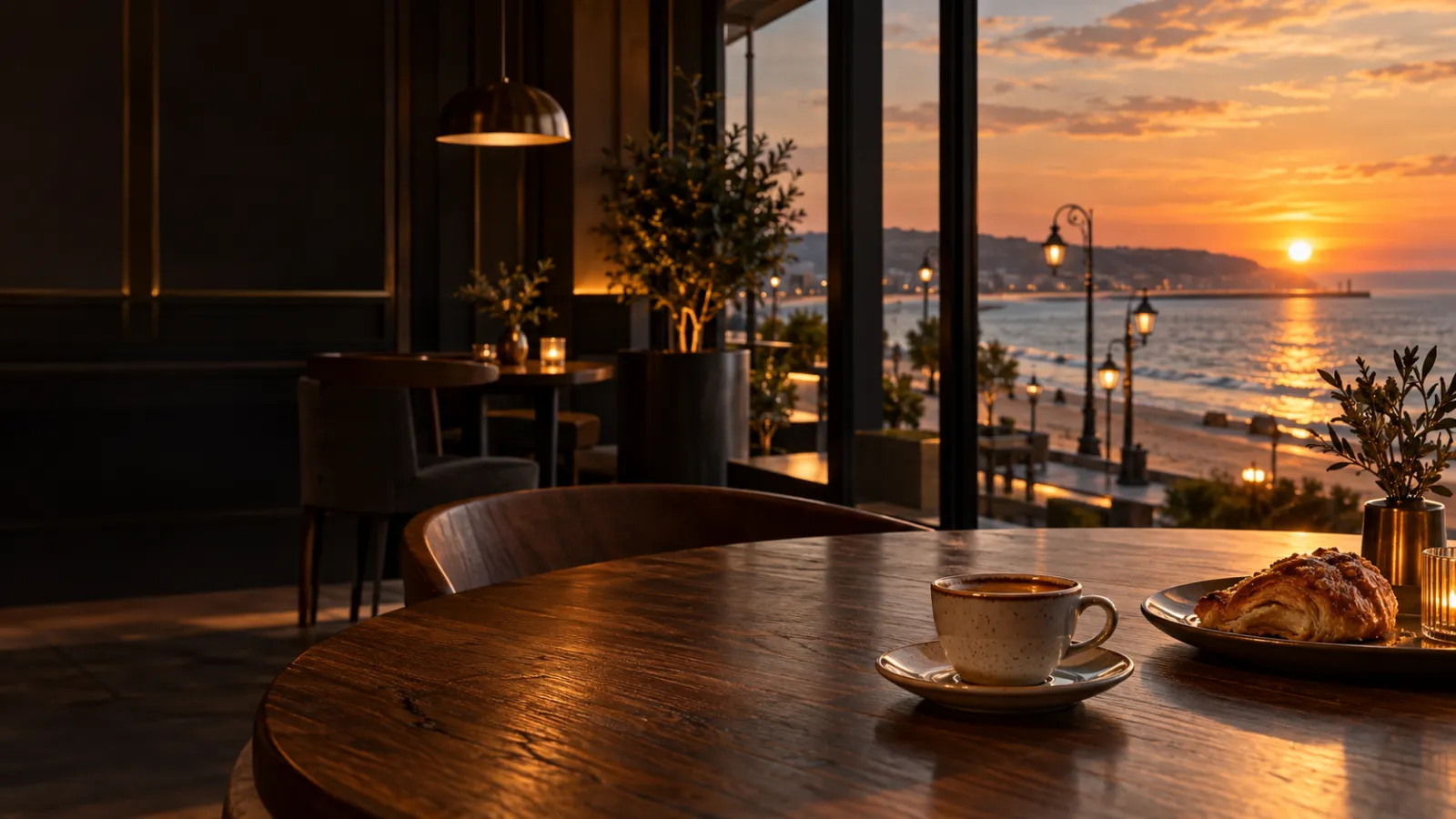
Four jobs every hospitality page does
A page for a venue is not a brochure. It has to do four things, in this order:
- InformHours, menu, location and contact, visible at once and findable without scrolling.
- ConvincePictures and a few honest sentences that show what it is like at your place.
- Lead to the tableReservation, call, order or enquiry, depending on the business.
- Be foundText that Google can read, and a map listing that matches the page.
The emphasis differs from business to business
- Café and bakery
- Hours, breakfast, cake, daily special, seating. The page is short and lives on being current.
- Bar and club
- Drinks menu, events, house rules, getting there in the evening. An events calendar keeps the page alive.
- Takeaway and fast food
- Menu with prices, quick ordering by phone or platform, clear opening hours until late.
- Restaurant
- Full menu, reservations, groups and celebrations, directions and notes on parking and access.
- Catering and events
- Menu suggestions, quantities, an enquiry with date and number of people, references without client names if these have not been approved.
The menu as text
The menu is the most visited element of a hospitality page. As a PDF or an image it is tedious on a phone and barely readable for search engines. As text with dish name, description, price and notes, it loads fast, can be translated and can show up in results.
For changing menus, a solution you can maintain easily is worth it. Which one depends on how often things change, and is settled before the build.
Technology in the background
Guests do not see it, but it counts:
- Fast loading on the phone, even on a poor network
- Structured data for search engines: name, address, hours, cuisine
- Hours, address and phone identical everywhere, including on the map service
- No music or videos that start by themselves
- No tracking without consent, only what is really needed
Typical mistakes
- The menu as a PDF or photo
- Opening hours that have been wrong for two years
- Stock photos of dishes that do not exist
- An Instagram feed instead of your own content
- Intro animations that make the guest wait
- No information on how to get there or where to park
Law in brief
A legal notice and a privacy policy belong on every site. For hospitality, depending on the country, rules on allergens and price information come on top. I am not a lawyer: please check with the competent authority or your adviser what applies to your business. I implement your information cleanly and legibly.
Working together and costs
I work from Varna with businesses in Germany, Austria, Switzerland and Bulgaria, remotely and in German, English or Bulgarian. A site with up to five sub-pages starts at €490 net. Hosting is available from €24.90 a month. Delivery takes about a week, or three days on request.
Frequently asked questions
What is better: my own site or platforms?
Both have their place. Platforms bring orders, but they do not belong to you. Your own site brings guests you reach directly and protects you from fees. The site gladly links to platforms if you are active there.
Do I need a reservation system?
Only if you manage many reservations. Small businesses get by with a call, a messenger or a short form.
How many pages does a venue need?
Usually three to five: start, menu, about us or the room, contact and directions, and for restaurants celebrations and groups on top.
Can the site be multilingual?
Yes. Each language gets its own page with its own address, so people searching find you in their language.
What do I need from you?
Hours, menu, a few photos of your business and a conversation about what makes you special. I build the rest.
What does it cost?
From €490 net for up to five sub-pages, hosting from €24.90 a month. Depending on scope I give you a fixed quote before we start.