A website has one job: turn a visit into an enquiry
For most small businesses the website is not a brochure. It is the place where a person who has never met you decides whether to call, write or book. Everything on it either helps that decision or gets in the way. That is why a good-looking page with no clear contact option brings little, and a plain page with the right answers and an obvious phone button can bring a lot.
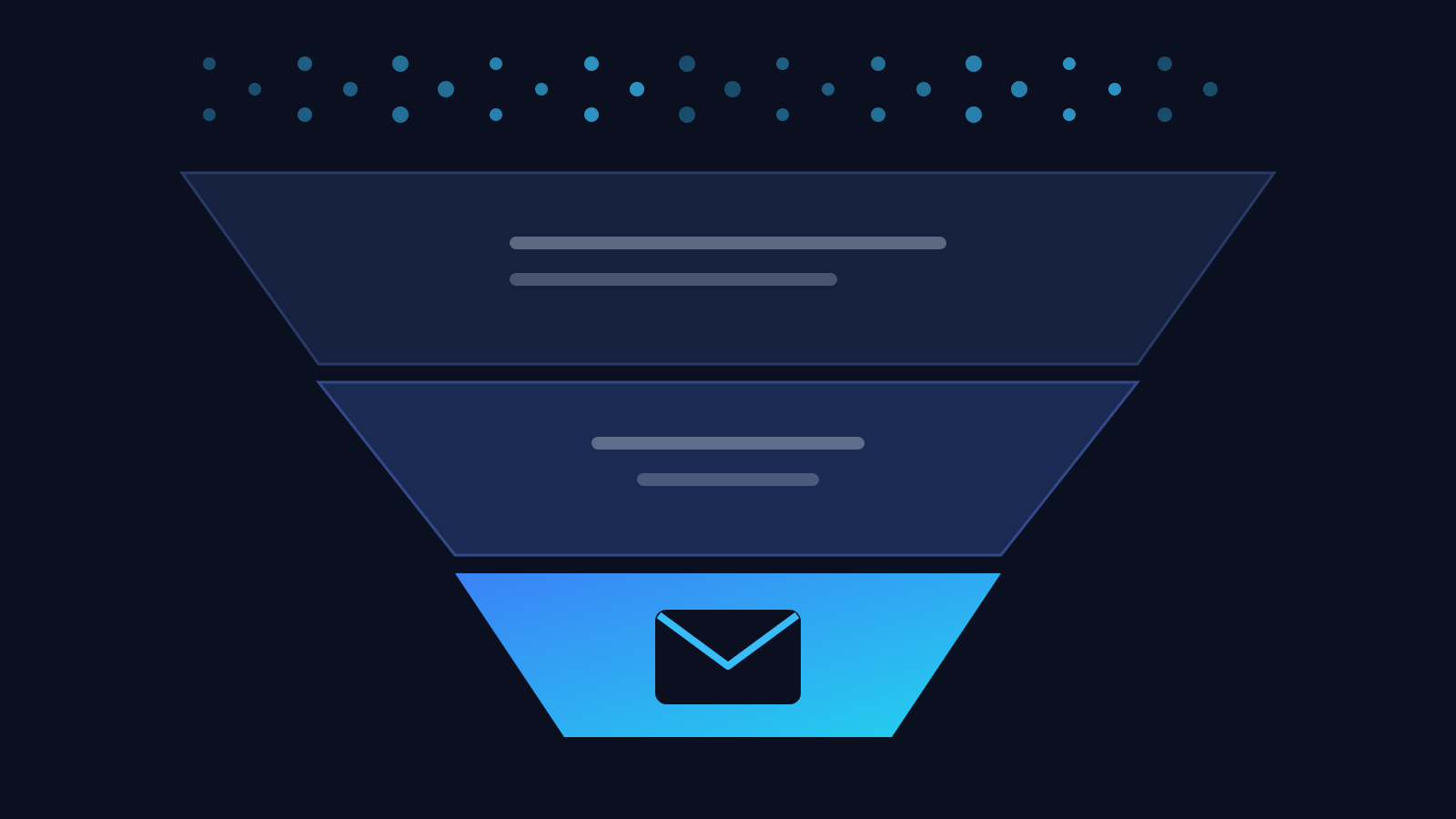
The four steps a visitor takes
- Found: the person has to reach the page first, through Google, Maps, an AI answer, a recommendation or a link.
- Trusted: within seconds they judge whether the business is real and fits. Clear name, place, photos of the actual work and honest descriptions help.
- Understood: they look for the answer to their question, for example what you offer, for whom, in which area, at what price range and how it works.
- Contacted: they need a way to get in touch that takes one tap or one short form.
A weak step ends the visit. The most common loss is not at the top, it is in the middle: people arrive and cannot find out quickly enough whether you are the right choice.
What blocks enquiries
- Pages that load slowly on a phone. Most people look on a phone first.
- Phone number and contact form hidden in a menu or only on one page.
- Vague text like "we offer quality service" instead of concrete information.
- Missing basics: opening hours, area served, how to get an offer, what happens after the first message.
- Stock photos instead of real ones, which makes visitors unsure whether the business exists as shown.
Where the visitors come from
Visitors arrive from several directions: Google search, Google Maps and the Business Profile, answers from AI assistants, social media, direct recommendation and paid ads. Each one needs the website to say clearly who you are, because the page may be the first thing the person sees. Search engines and AI assistants read the same text as people, so clear text helps both.
What you can measure without special tools
You do not need a dashboard to start. Count calls and messages that come after you update the website, and ask new customers one question: how did you find us? Write the answers down for a few weeks. Patterns appear quickly, for example that many people come from Maps and not from the search results.
What a website cannot do
No website can guarantee a ranking or a number of enquiries. Search results depend on many factors and on competitors, and results take time. What you control is the quality of the page: clear information, fast loading, easy contact. That is the part that is worth doing well.
Sources
Frequently asked questions
How does a website bring in customers?
By being found, by earning trust within seconds, by answering the visitor's questions and by making contact easy. If one of these steps fails, the visit ends without an enquiry.
Why does my website get visitors but no enquiries?
Typical reasons are slow loading on phones, no visible phone number or form, vague text and missing basic information such as area served and opening hours.
How long does it take until a website brings customers?
There is no fixed time. A page can bring enquiries from people who already know your name quickly. Being found by strangers in search takes longer and depends on competition.
Do I need SEO for a website to bring customers?
Search optimisation helps people find the page, but the page also has to convince them. Both matter: findability first, then clear content and easy contact.
What does your website do for you today?
Write to me about your business and your current website. I will tell you honestly where visitors probably get lost and what is worth fixing first.
Not sure how your website performs today? The free website check tests the homepage, https, robots.txt, sitemap, error page and speed on mobile and desktop. You get the result by email.